Bought a Home in Oceanside or North County San Diego? Don’t Skip an HVAC Safety Inspection
Buying a home in Oceanside? Don't overlook an HVAC safety inspection. It uncovers hidden issues before they become costly and ensures system efficiency.
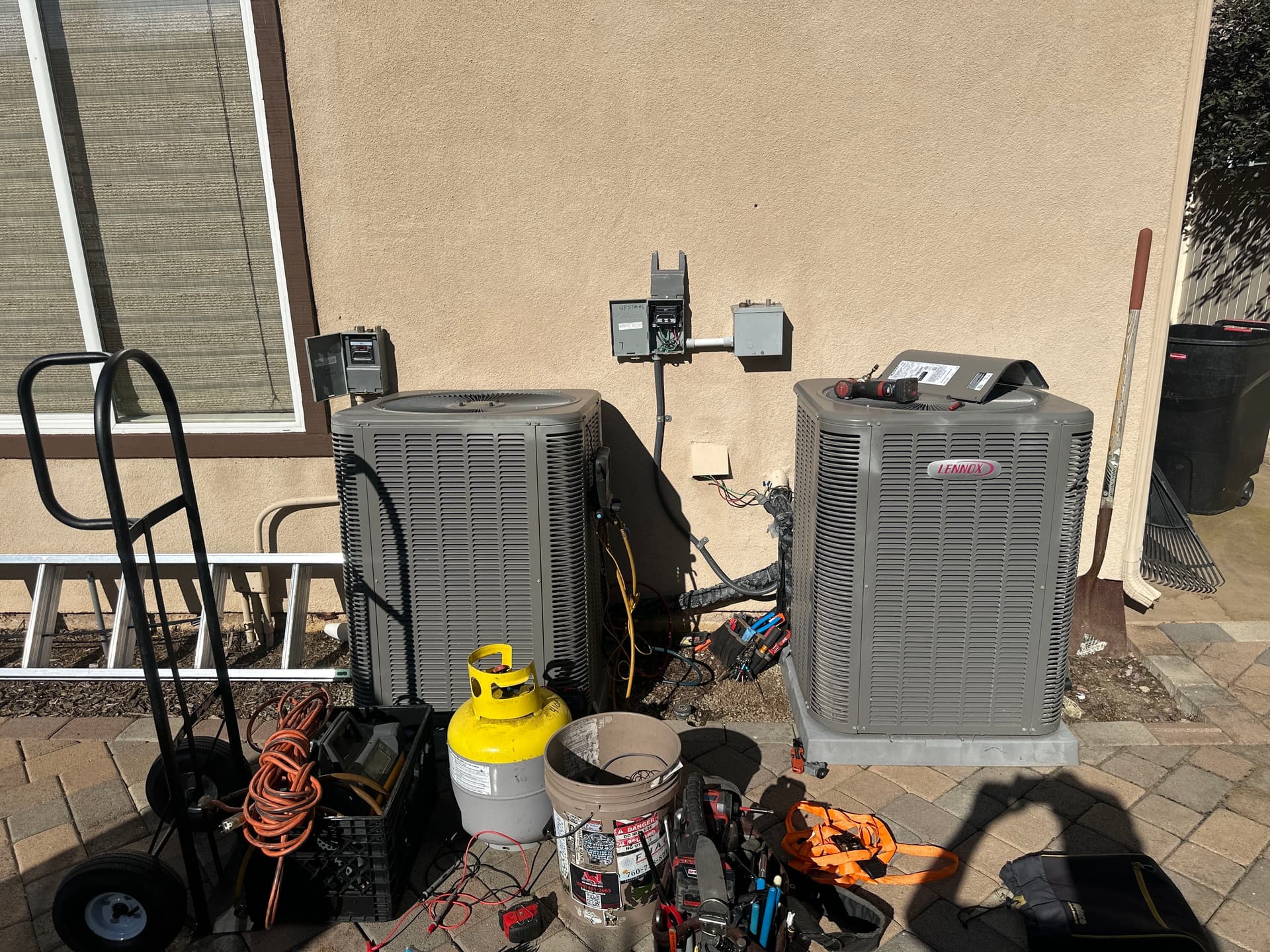
Buying a home in Oceanside, CA or anywhere in North County San Diego is exciting. But once the keys are yours, you also inherit every repair, shortcut, and questionable installation decision made before you arrived.
That is especially true with HVAC systems.
At Coastal Breeze Heating & Air Conditioning, we help homeowners across Carlsbad, Encinitas, Oceanside, Vista, San Marcos, Escondido, Del Mar, and nearby North County communities identify hidden HVAC issues before they turn into safety concerns, comfort problems, or major repair decisions.
Some problems are obvious: weak airflow, loud equipment, rooms that never cool, or an AC that struggles during a hot afternoon in inland North County.
Other problems are hidden.
A safety switch may have been bypassed. A return duct may be too small. A drain pan may be damaged. A furnace may be overheating. A previous installer may have forced the wrong system into a home instead of designing the right one.
That is why a professional HVAC safety inspection in Carlsbad CA or North County San Diego is one of the smartest things a homeowner can schedule after buying a home.
Why New Homeowners Should Inspect the HVAC System
A standard home inspection can flag visible HVAC concerns, but it usually does not include a full system design review, airflow analysis, duct sizing evaluation, or safety control verification.
That matters because HVAC systems are not just appliances. They are mechanical systems that need proper airflow, electrical connections, drainage, controls, refrigerant charge, ductwork, and safety devices to operate correctly.
If one part is wrong, the whole system can suffer.
For example, a furnace with undersized return ductwork may not get enough airflow. That can cause overheating and repeated shutdowns. If someone bypasses the high-limit safety switch instead of correcting the airflow problem, the system may continue running in unsafe conditions.
That is not a repair. That is a serious red flag.
What Is a Bypassed HVAC Safety Switch?
A bypassed HVAC safety switch means a protective control has been disabled, jumped, or wired around so the system keeps running even when it should shut down.
Safety switches exist for a reason. Depending on the system, they may help detect overheating, flame rollout, condensate overflow, pressure problems, or other unsafe operating conditions.
Common HVAC safety controls include:
High-limit switches
Flame rollout switches
Condensate float switches
Pressure switches
Drain pan safety switches
Low-voltage safety circuits
If a safety switch is tripping, the correct response is to find out why. It may be a dirty filter, blocked airflow, failed blower motor, clogged drain, improper duct sizing, or another system issue.
The wrong response is to bypass the switch and let the equipment keep operating.
Why Return Duct Sizing Matters
Return ducts bring air back to the HVAC system so it can be heated or cooled again. If the return side is too small, blocked, or poorly designed, the equipment may be starved for airflow.
That can lead to:
Weak airflow at vents
Hot and cold spots
System overheating
Short cycling
Noisy operation
Higher energy use
Reduced equipment life
Poor comfort during extreme weather
This is one reason two homes with the same equipment can perform very differently. The equipment matters, but the ductwork matters too.
A good HVAC inspection should not only look at the outdoor AC unit, heat pump, or furnace. It should also evaluate how air moves through the home.
What an HVAC Safety Inspection Should Include
A complete HVAC inspection after buying a home should go beyond a quick visual check.
Here is what a homeowner should expect from a thorough evaluation.
1. Safety Control Verification
The technician should verify that safety switches are present, connected, and functioning as intended.
No safety device should be jumped out, bypassed, or ignored.
2. Airflow and Ductwork Review
The system should be checked for airflow restrictions, damaged ducts, undersized returns, disconnected runs, poor insulation, and obvious design issues.
If comfort problems are present, static pressure testing may be recommended.
3. Filter and Return Air Check
A dirty filter is simple. An undersized return system is not.
Both can create airflow problems, but they require very different solutions.
4. Condensate Drain and Pan Inspection
Cooling systems and heat pumps remove moisture from the air. That water needs to drain properly.
A clogged drain, cracked pan, rusted pan, or missing float switch can lead to water damage and system shutdowns.
5. Electrical Inspection
HVAC equipment should have proper disconnects, breakers, wiring, and low-voltage connections.
Loose, damaged, or improvised wiring should be corrected by qualified professionals.
6. Refrigerant and System Performance Check
For AC and heat pump systems, refrigerant charge and temperature split can help show whether the system is operating properly.
Poor charge, airflow issues, or dirty coils can reduce performance.
7. Combustion Safety Review
If the home has a gas furnace, combustion safety matters.
A technician should look for signs of overheating, improper venting, flame rollout, and other concerns that may require further evaluation.
8. Equipment Age and Condition
Age alone does not determine whether a system should be replaced, but it helps frame the conversation.
The inspection should explain what is working, what is worn, and what may need attention soon.
9. Permit and Installation Quality Review
If equipment appears recently installed, the homeowner should ask whether the work was permitted and whether installation records are available.
Permits and inspections help protect the homeowner, especially after a major replacement.
10. System Sizing and Load Calculation Discussion
If replacement is being considered, the contractor should explain how the new system size will be determined.
A reputable contractor should be willing to discuss a Manual J load calculation, which estimates heating and cooling needs based on the actual home.
What Is a Manual J Load Calculation?
A Manual J load calculation is a method used to estimate how much heating and cooling a home needs.
It considers factors like:
Square footage
Layout
Insulation
Window type
Sun exposure
Ceiling height
Air leakage
Local climate
Ductwork
Room-by-room comfort needs
This matters because replacing equipment with the same size system is not always the right answer.
The old system may have been oversized. It may have been undersized. The home may have changed. Ductwork may have been modified. Windows, insulation, or additions may have altered the load.
For homeowners considering a heat pump, central AC replacement, ductless mini splits, or a hybrid system, proper sizing should come before equipment selection.
Should You Replace a Bad Ducted System With Ductless Heat Pumps?
Sometimes, yes. But not always.
Ductless heat pumps can be a great solution for homes with poor ductwork, room-by-room comfort issues, additions, garages, older layouts, or areas where extending ducts does not make sense.
But ductless systems still need thoughtful design.
Before choosing ductless, ask:
Which rooms will each indoor head serve?
What happens when bedroom doors are closed?
Where will line sets run?
How will condensate drain?
How many outdoor units are needed?
Is the electrical panel ready?
Will permits be required?
Is a ducted or hybrid option still worth considering?
Ductless is not a shortcut around design. It is a different design.
Red Flags New Homeowners Should Not Ignore
Call an HVAC professional if you notice:
Safety switches that appear disconnected or jumped
Melted plastic near the furnace or coil
Burn marks or overheated wiring
Rusted or damaged drain pans
Water around the indoor unit
A system that shuts off repeatedly
Loud airflow noise
Weak return airflow
Rooms that never get comfortable
A contractor who dismisses your questions
No clear explanation of system sizing
No written scope for recommended repairs
If something looks improvised, it is worth having it checked.
North County Homes Have Different HVAC Needs
A home near the coast in Encinitas, Del Mar, Oceanside, or Carlsbad may have different HVAC needs than a home farther inland in Vista, San Marcos, or Escondido.
Coastal homes may deal with salt air, marine layer, and humidity. Inland homes may face stronger afternoon heat and greater cooling demand.
Older homes may have undersized ducts. Remodeled homes may have rooms that were added without proper HVAC planning. Multi-story homes may have uneven temperatures between floors.
Local experience matters because system design should match the home, not just the equipment brand.
The Coastal Breeze Approach
Coastal Breeze Heating & Air Conditioning helps North County San Diego homeowners understand what is actually happening with their HVAC systems.
Our inspections are designed to give homeowners clear answers about:
Safety controls
Airflow
Duct condition
System performance
Equipment age
Repair options
Replacement options
Heat pump suitability
Ducted vs. ductless design
Pre-season maintenance
Financing options for qualified homeowners
Our goal is simple: help you make an informed decision without pressure.
Final Takeaway
If you recently bought a home, do not assume the HVAC system was installed correctly just because it turns on.
A system can run and still have serious problems. Safety switches, duct sizing, airflow, drainage, electrical work, and system sizing all matter.
Before investing in major repairs or replacement, schedule a professional HVAC safety inspection and ask for clear explanations in writing.
A good contractor should be able to answer one important question:
Is this system safe, properly designed, and right for this home?
Call Coastal Breeze Heating & Air Conditioning at (760) 470-3029
or click Schedule HVAC Inspection to request an appointment.
We serve Carlsbad, Encinitas, Oceanside, Vista, San Marcos, Escondido, Del Mar, and nearby North County communities.
HVAC Safety Inspections for Oceanside and North County San Diego Homes
Homes in North County San Diego are not all built, remodeled, or maintained the same way.
A coastal home in Carlsbad, Encinitas, Oceanside, or Del Mar may face salt air, marine layer, corrosion, humidity, and comfort issues that differ from homes farther inland. Homes in Vista, San Marcos, and Escondido often experience stronger afternoon heat, hotter attic conditions, and higher cooling demand during the summer.
That local climate difference matters when evaluating an HVAC system.
A proper inspection should look beyond whether the system turns on. It should evaluate whether the equipment, ductwork, airflow, drainage, electrical connections, safety controls, and system design are appropriate for the home.
For Carlsbad homeowners, this is especially important after buying a resale home, moving into an older property, remodeling, converting a garage, adding square footage, or replacing an older furnace or air conditioner.
Related Keywords: Carlsbad HVAC inspection, HVAC contractor Carlsbad CA, North County San Diego HVAC inspection, HVAC safety inspection after buying a home, furnace safety switch inspection Carlsbad, bypassed HVAC safety switch, duct sizing inspection North County San Diego, heat pump inspection Carlsbad CA, AC inspection Carlsbad, HVAC maintenance North County San Diego, ductless heat pump installation Carlsbad, Oceanside HVAC inspection, Encinitas HVAC contractor, Vista HVAC service, San Marcos HVAC repair, Escondido HVAC inspection, Del Mar HVAC company
FAQ
How do I know if my HVAC system was installed incorrectly?
Common signs include weak airflow, uneven temperatures, repeated shutdowns, water leaks, unusual noises, damaged wiring, or safety switches that appear disconnected. A professional inspection can identify whether the issue is equipment, ductwork, controls, or installation quality.
What does it mean if an HVAC safety switch is bypassed?
It means a protective control may have been disabled so the system continues running when it should shut down. This is a serious concern and should be evaluated by a qualified HVAC technician.
Should I get an HVAC inspection after buying a home?
Yes. A post-purchase HVAC inspection can uncover hidden issues that a general home inspection may not fully evaluate, including airflow problems, duct sizing, safety controls, refrigerant charge, and installation quality.
What is a Manual J load calculation?
A Manual J load calculation estimates how much heating and cooling a home needs. It helps prevent installing equipment that is too large or too small for the home.
Can bad ductwork damage an HVAC system?
Bad ductwork can cause airflow problems that make equipment work harder than it should. Undersized, leaking, or blocked ducts can contribute to comfort problems, overheating, short cycling, and reduced system life.
Are ductless heat pumps a good replacement for bad ductwork?
They can be, but the design still matters. A ductless system should be planned around room layout, door positions, line set routing, condensate drainage, electrical capacity, and homeowner comfort goals.